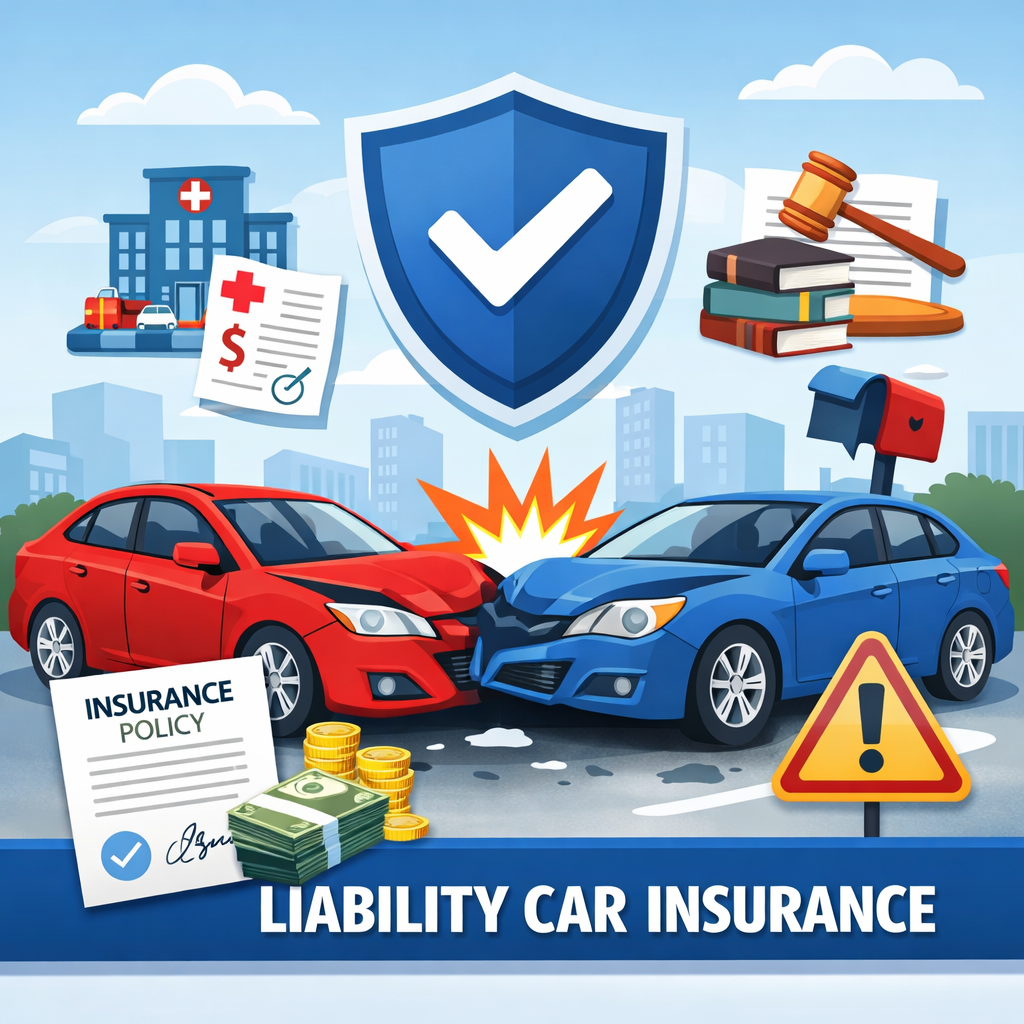
Driving a car provides freedom and convenience, but it also comes with serious responsibilities. Every driver must be prepared for unexpected situations on the road. Even careful drivers can be involved in accidents, and when that happens, the financial impact can be significant. Liability car insurance helps protect drivers from having to pay those expenses out of their own pockets.
Liability car insurance is one of the most essential types of auto insurance. In many countries and regions, it is legally required before a driver can operate a vehicle on public roads. This coverage is designed to pay for damages or injuries you cause to others in an accident where you are considered at fault.
Understanding how liability insurance works can help drivers make better decisions, choose the right level of coverage, and avoid serious financial consequences.
What Is Liability Car Insurance?
Liability car insurance is a type of auto insurance that covers damages and injuries you cause to other people while driving. If you are responsible for a car accident, this insurance helps pay for the costs related to the damage or injuries suffered by others.
Instead of paying these expenses yourself, your insurance company handles the payments according to the limits of your policy.
Liability car insurance usually includes two main types of coverage.
Bodily Injury Liability
Bodily injury liability coverage pays for medical expenses when someone is injured in an accident you caused. This can include hospital bills, doctor visits, medications, physical therapy, and other medical treatments.
In some cases, it may also cover legal expenses if the injured person files a lawsuit. Additionally, it may compensate for lost wages if the injured person cannot work because of their injuries.
Property Damage Liability
Property damage liability covers the cost of repairing or replacing property that you damage during an accident. This most commonly includes damage to another vehicle, but it may also cover fences, buildings, street signs, or other property.
For example, if you accidentally hit another car or crash into a fence, property damage liability helps pay for those repairs.
Why Liability Car Insurance Is Important
Liability car insurance is important because accidents can be extremely expensive. Medical treatment and vehicle repairs can quickly cost thousands of dollars. Without insurance, drivers may have to pay these costs themselves.
This coverage helps protect drivers from major financial loss. It also ensures that people affected by an accident receive compensation for their injuries or property damage.
In many places, liability insurance is also required by law. Driving without proper insurance can result in fines, license suspension, or other legal penalties.
Understanding Liability Coverage Limits
When purchasing liability car insurance, drivers must choose coverage limits. These limits represent the maximum amount an insurance company will pay after an accident.
Liability coverage is commonly written using three numbers, such as 50/100/25.
These numbers represent:
- $50,000 maximum coverage for injuries per person
- $100,000 maximum coverage for all injuries in one accident
- $25,000 coverage for property damage
If the cost of an accident exceeds these limits, the driver may be responsible for paying the remaining amount. For this reason, many drivers choose higher coverage limits to provide stronger financial protection.
What Liability Insurance Does Not Cover
Although liability insurance provides important protection, it does not cover every type of damage.
Liability insurance generally does not cover:
- Damage to your own vehicle
- Medical expenses for your own injuries
- Theft of your vehicle
- Damage caused by natural disasters
- Vandalism or fire
To protect against these risks, drivers often add additional coverage such as collision insurance or comprehensive insurance.
Who Should Have Liability Insurance?
Liability insurance is essential for nearly every driver. Whether someone drives daily or only occasionally, accidents can happen at any time.
This coverage is especially important for:
- Daily commuters
- Drivers who travel long distances
- People living in high-traffic areas
- New or inexperienced drivers
Even small accidents can result in costly repairs or medical bills, so liability insurance helps provide financial protection.
How to Choose the Right Liability Coverage
Selecting the right liability coverage requires careful consideration. Drivers should evaluate their financial situation and potential risks before deciding on coverage limits.
One important factor is personal assets. Drivers who have savings, property, or investments may want higher liability limits to protect those assets in case of a lawsuit.
Another factor is medical costs in the region. Since healthcare expenses can be very high, stronger bodily injury coverage can provide better financial protection.
It is also a good idea to compare policies from multiple insurance providers. Different companies offer different prices, discounts, and coverage options.
Ways to Reduce Liability Insurance Costs
Although liability insurance is necessary, there are several ways drivers can keep their premiums affordable.
Maintaining a clean driving record is one of the most effective ways to reduce insurance costs. Drivers with fewer accidents and traffic violations usually receive lower rates.
Insurance companies may also offer discounts for:
- Safe driving habits
- Bundling multiple insurance policies
- Installing vehicle safety features
- Completing defensive driving courses
Regularly comparing insurance providers can also help drivers find better deals and lower premiums.
Liability Insurance vs Full Coverage
Many drivers confuse liability insurance with full coverage insurance.
Liability insurance only pays for damage or injuries caused to other people. It does not cover damage to your own car.
Full coverage insurance usually includes:
- Liability insurance
- Collision coverage
- Comprehensive coverage
Collision insurance pays for repairs to your own car after an accident. Comprehensive insurance covers damage caused by events such as theft, fire, vandalism, or severe weather.
Drivers with newer or more valuable vehicles often choose full coverage for better protection.
Frequently Asked Questions (FAQ)
1. What is liability car insurance?
Liability car insurance provides coverage for injuries or property damage that you cause to other people in a car accident.
2. Is liability insurance required by law?
In most regions, drivers must have liability insurance before legally driving on public roads.
3. Does liability insurance cover my car repairs?
No. Liability insurance only covers damage to other people’s vehicles or property.
4. What happens if accident costs exceed my coverage limits?
If the costs exceed your policy limits, you may need to pay the remaining expenses yourself.
5. Can I increase my liability coverage later?
Yes. Most insurance companies allow drivers to increase their coverage limits at any time.
6. Is liability insurance cheaper than full coverage?
Yes. Liability insurance is usually less expensive because it offers more limited protection.
7. Who should buy liability car insurance?
Every driver should have liability insurance because accidents can happen at any time.
Conclusion
Liability car insurance is a crucial part of responsible driving. It protects drivers financially by covering the costs of injuries or property damage caused to others in an accident. Without this coverage, even a minor accident could lead to serious financial stress.
By understanding how liability insurance works and choosing the right coverage limits, drivers can protect themselves from unexpected expenses while meeting legal requirements.
Having the right liability insurance policy gives drivers peace of mind and ensures they are prepared for the uncertainties of the road.
1 thought on “Liability Car Insurance: A Complete Guide for Drivers”